Nov 11, 2026
Protecting Your Employees From Harsh Winter Weather
Brian Clausen, Copy Editor
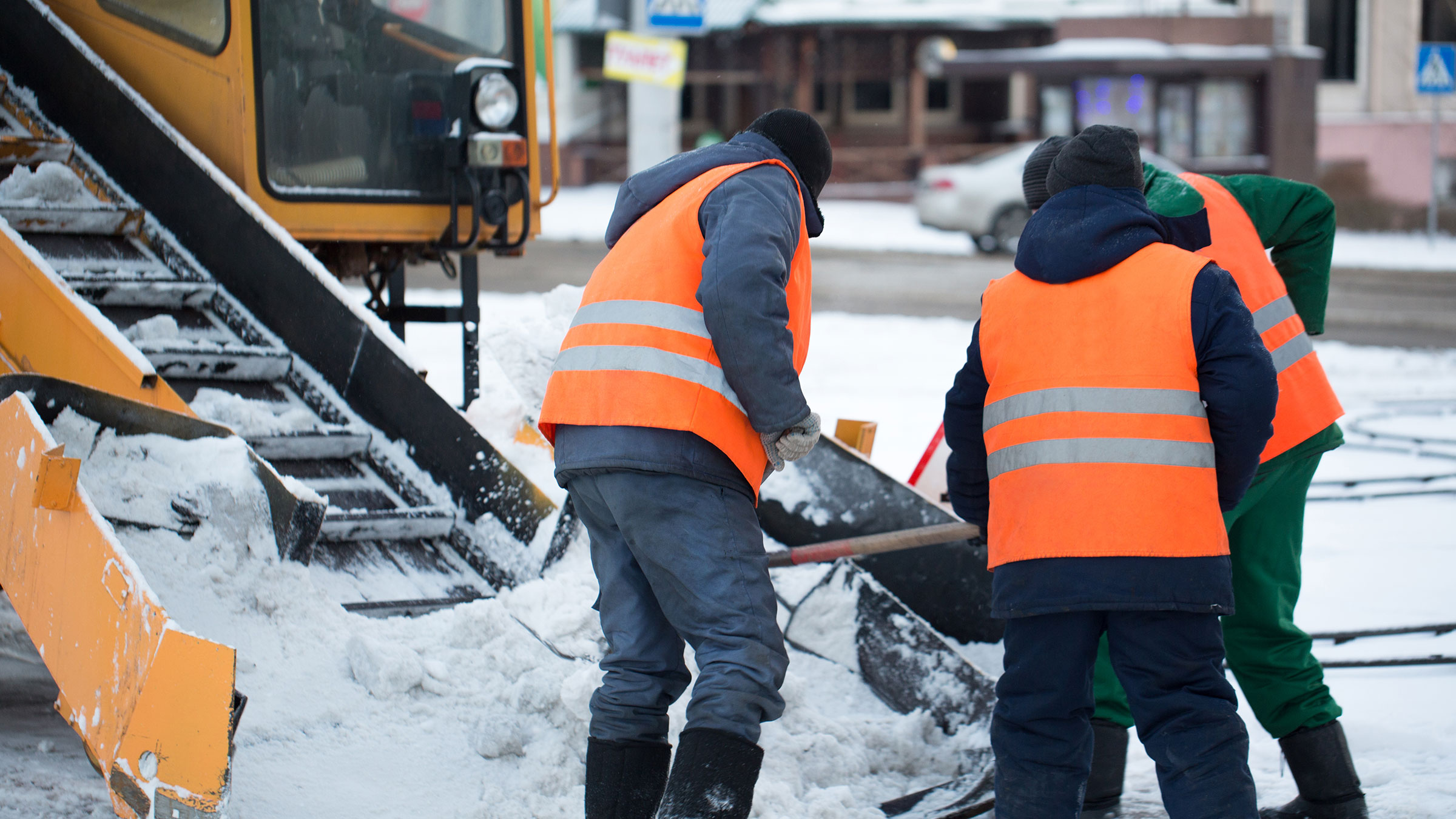
With winter on the way, attention naturally focuses on how extreme cold affects people who have to work outside. And even with federal forecasters predicting a milder season for much of the U.S., the risk for cold snaps remains real.
Frigid weather's effects aren't limited to those who are exposed to it for extensive periods of time, though. Even a short drive to, from or on the job can prove hazardous in the wrong conditions.
Winter often brings temperatures that plunge below freezing and wind chills even below that. And if you're in an area with potential for harsh winters, unless your company is fully remote, there's one question you must keep in mind:
How can I keep my employees safe from winter weather?
This is where companies need to work with their employees to ensure they’re staying safe. The Occupational Safety and Health Administration (OSHA) urges vigilance when severe cold is imminent.
What Does OSHA Say About Protecting Employees?
OSHA technically has no regulations that explicitly describe what companies should do to protect their employees from bad weather, but OSHA still stipulates that employers have an obligation to provide, “a place of employment which are free from recognized hazards.” Taking that into account, there are many considerations a company can make for their employees:
Put off unnecessary travel to, from, and during work.
There’s no reason to put people at risk, especially given hybrid working capabilities. If meeting remotely isn’t an option, then delay the meeting. Few things are important enough to risk someone getting injured in a car accident on icy roads.
Provide plenty of breaks.
This is especially true if you have anyone working outdoors. They should be given ample time indoors to dry damp clothes and raise their body temperature. Consider providing personal protective equipment (PPE) for these workers as well. If possible, have relief staff ready so more breaks can be taken.
Make indoor spaces comfortable.
OSHA recommends keeping indoor spaces between 68 and 75 degrees. Allow workers to use small space heaters, or anything else that makes their work environment comfortable, so long as it doesn't present a fire danger or disrupt others.
While most of this is to help prepare those working outdoors or in uninsulated indoor spaces for potentially harsh weather conditions, the same principles and protections can be extended to office workers as well. They might not be able to dig their car out of heavy snow, or their tires might have deflated due to the frigid air. If the heat should stop working or a pipe burst in the office building, know who to call ahead of time. Have contingencies in place so that you can be as prepared as possible to address cold weather when it happens.
Cold Weather Preparedness for In-Office Employees
For all employees who come into the office, OSHA has numerous recommendations for keeping everyone comfortable during the routine winter weather, and ensuring safety should catastrophic events like drastically low wind chill or blizzards come to the area.
Conduct proper maintenance.
Check furnace and pipe function, and have employees report if they feel any drafts coming in through closed windows. Worn parts or exposed wiring can worsen in cold temperatures.
Clear entrances and exits.
Snow and ice can make company property treacherous. Salt the entryways and parking lots so driving and walking is made as safe as possible for employees. For those working outdoors, remind employees to wear shoes with good traction. If ladders are necessary to clear snow and ice, ensure they're used safely.
Monitor conditions.
If weather begins to deteriorate, or it's forecasted to do so, allow employees to leave the office early so they can make it home before the worst arrives. It’s best to be proactive. If harsh weather is predicted overnight, tell employees the day before that they can work from home.
These plans should be in writing and made easily accessible for all employees to read. Taking the time to have these precautions in place will save a lot of time and money down the road. Your employees will appreciate the time you took to be proactive and protect their safety.
Can you be sued in the event of a worker's cold-related injury?
Generally not, but there are exceptions. Here's why.
Worker's compensation covers most situations.
Workplace injuries (whether onsite or offsite, if the worker is away from the premises on job-related duties) are usually covered under no-fault worker's compensation regulations. Some states have premises exceptions – meaning, for example, that an employee who slips on ice when arriving or leaving the premises can file a claim, even though they weren't on the clock when they were injured.
Those are paid by your insurance company – but too many of them, and your rates will go up.
Commutes generally aren't covered.
However, there are exceptions to the general worker's comp rule.
For instance, the “coming and going” exemption means that if an employee is injured during their commute, so long as they aren't performing any work-related duties along the way, worker's comp doesn't cover that.
(Even so, it's a best practice to let people work from home whenever possible during severe weather of any kind. Why risk injury – and damage both relationships and morale – needlessly?)
You can be sued if you created or mishandled a hazard.
On the other hand, if the company negligently or deliberately creates hazardous conditions – for instance, sending a delivery driver out in a blizzard for a non-emergency run or even failing to mitigate the dangers of slipping on ice – then employees can pursue separate claims in court.
Now, if you rent your business space from a third party, they're responsible for maintaining safe conditions in common areas like parking lots and sidewalks. In that case, they would be on the hook, not you.
Make sure you're up to speed on worker safety. Sign up now for OSHA 10-Hour Workplace Safety Training!
Brian Clausen
Copy Editor
Brian Clausen is a copy editor at SkillPath. He has been with SkillPath for seven years, and his writings have appeared on LendingTree, Shutterfly, and Dopplr.
Latest Articles
Article Topics
